
Founder & CEO, Devot AI
A multi-domain Data Scientist and Software Engineer specializing in NLP, Large Language Models, and scalable AI systems. Aviral leads Devot AI with a focus on building production-ready solutions that solve complex business challenges.
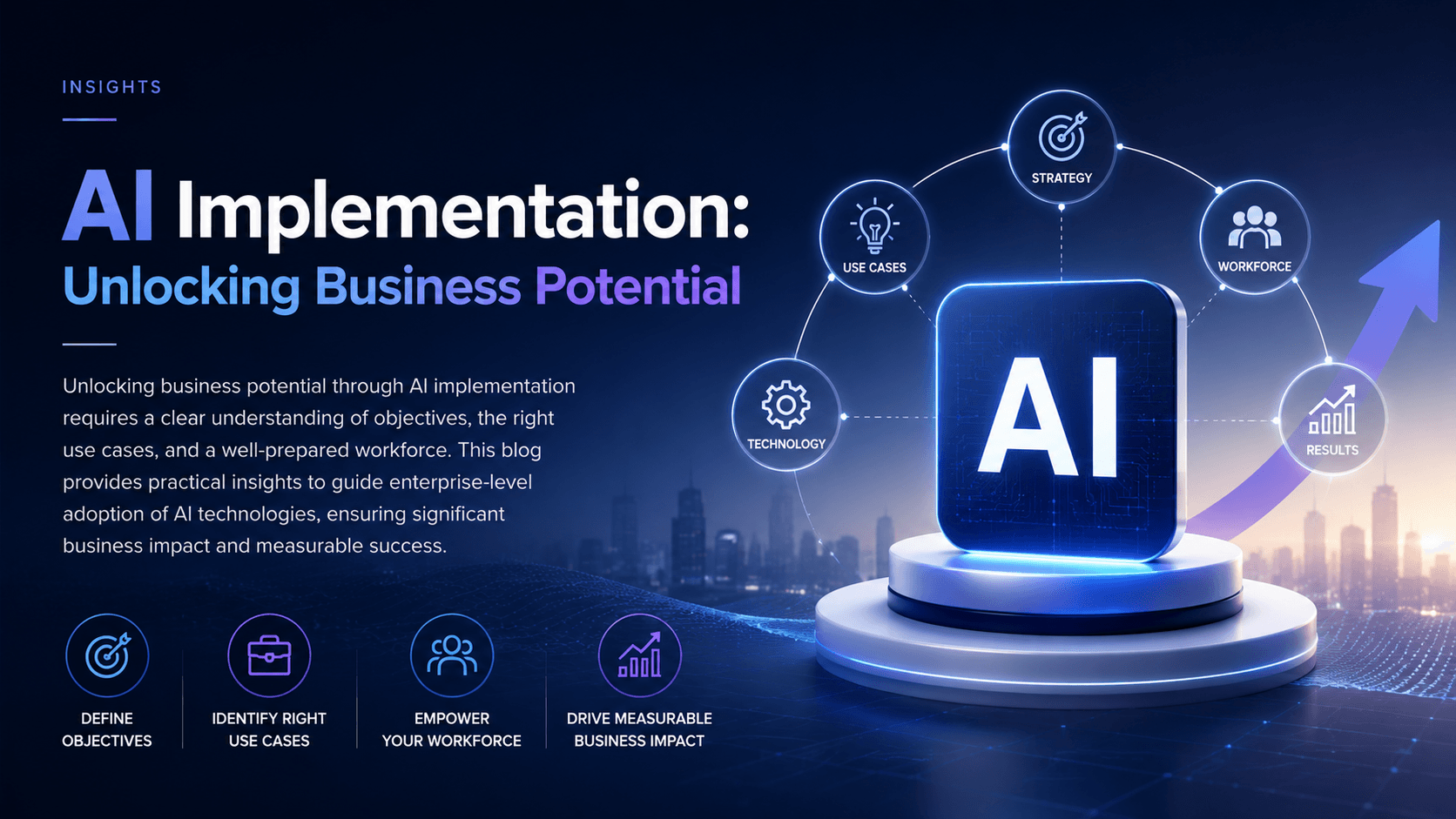
In the rapidly evolving landscape of business technology, implementing artificial intelligence (AI) is more than just a trend; it's a strategic necessity for companies aiming to thrive in a competitive environment. With the right approach, AI can enhance efficiency, improve decision-making, and ultimately drive significant business value.
Understanding Your Business Needs
The first step in any AI implementation journey is to clearly define the business objectives. Is your goal to enhance customer experience, automate repetitive tasks, or gain insights from data? Aligning AI initiatives with specific business goals can streamline the implementation process and ensure that the outcomes are impactful.
For example, a retail company looking to personalize its marketing strategies might focus on AI-driven customer segmentation. By analyzing customer behavior and preferences through their purchasing history, the company can tailor marketing campaigns that engage customers more effectively, leading to a potential 15-30% increase in conversion rates.
Selecting the Right Use Cases
Once business objectives are clear, the next step is identifying the most suitable AI use cases. This requires an understanding of not only what problems AI can solve, but also where it can provide significant ROI. Common use cases include:
Predictive Analytics: Use AI to analyze historical data and predict future trends. Companies can reduce inventory costs by up to 20% by using AI to correctly forecast demand.
Customer Service Automation: Deploy AI chatbots to handle customer inquiries, which can reduce response times by 50% and free up human agents for more complex tasks.
Fraud Detection: AI algorithms can analyze transaction patterns to identify fraudulent activities, potentially decreasing fraud losses by up to 40%.
Building the Right Infrastructure
A successful AI implementation hinges on having the right infrastructure in place. This includes reliable data storage solutions, sophisticated analytics tools, and a support team skilled in AI technologies. Businesses should invest in robust data governance practices to ensure that the data being used for AI is clean, relevant, and up to date.
Furthermore, collaborating with IT specialists can help in integrating AI solutions seamlessly into existing systems. For instance, a financial institution that upgraded its data management practices before adopting AI advanced its risk assessment processes and reduced approval times for loan applications by 60%.
Change Management: Preparing Your Workforce
One of the most frequently overlooked aspects of AI implementation is change management. It's crucial to prepare employees for the transition to AI-driven processes. This can involve comprehensive training programs to help staff understand how to leverage AI tools effectively, thereby ensuring a smoother adoption process.
Additionally, fostering a culture of innovation within the organization can motivate employees to embrace AI. For example, a manufacturing company that engaged its workforce through workshops on AI technology saw employee-driven ideas for process improvements that decreased production downtime by an impressive 25%.
Measuring Success and Continuous Improvement
After implementation, it’s vital to measure the success of AI initiatives. Establishing clear KPIs aligned with initial business objectives is essential. For example, if your goal was to enhance customer satisfaction through AI solutions, metrics such as Net Promoter Score (NPS) or customer retention rates will provide valuable insights.
Continuous monitoring and optimization of AI systems can lead to sustained improvements and innovations. Companies that adopt an iterative approach to AI, making incremental adjustments based on real-time data, tend to experience 15-20% better overall performance in AI-driven tasks.
Conclusion: The Path Forward
AI implementation is not merely about technology; it's about transforming how your business operates. By understanding your business needs, selecting the right use cases, building a strong infrastructure, preparing your workforce for the change, and measuring success, you can realize the remarkable potential of AI. As companies continue to leverage AI effectively, those that embrace these strategies will not only survive but thrive in the future business landscape.