
Founder & CEO, Devot AI
A multi-domain Data Scientist and Software Engineer specializing in NLP, Large Language Models, and scalable AI systems. Aviral leads Devot AI with a focus on building production-ready solutions that solve complex business challenges.
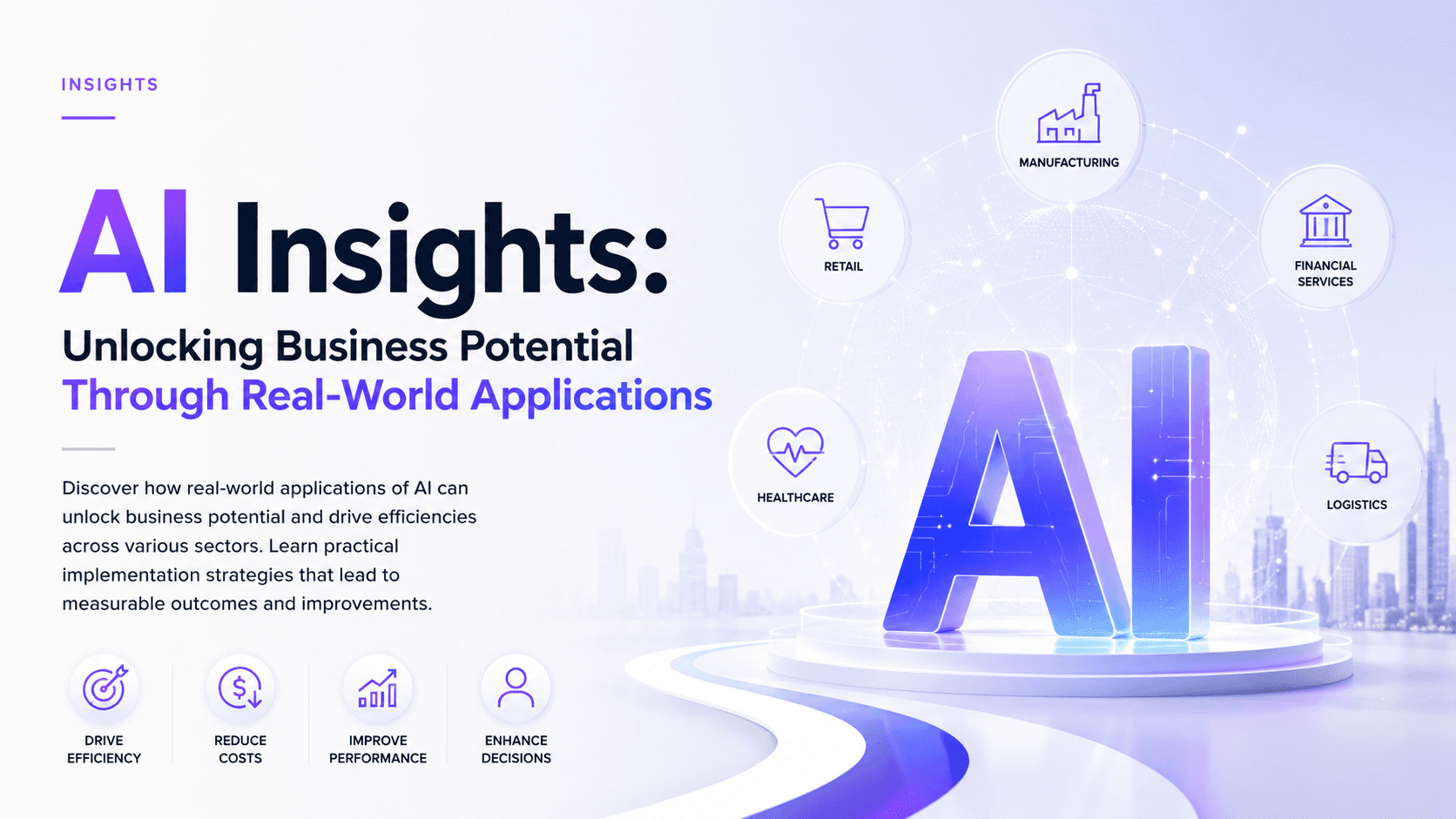
In today’s rapidly evolving business landscape, leveraging artificial intelligence (AI) isn’t just an option; it’s a necessity for companies striving for efficiency and growth. At Devot AI, our mission is to bridge the gap between AI technology and practical business application, ensuring that enterprises can harness the full potential of AI to drive tangible outcomes. This blog explores real-world use cases of AI, offering insights into implementation strategies while emphasizing the business impact.
Understanding the Value of AI in Business
AI technologies have proven to enhance decision-making processes, improve operational efficiency, and create a competitive edge. Statistics show that companies integrating AI into their operations report a **40% improvement** in productivity and a **20% reduction** in operational costs. However, the challenge often lies in translating these technological advancements into concrete business value.
Real-World Applications of AI
1. Optimizing Supply Chain Management
Many enterprises struggle with supply chain inefficiencies, leading to increased costs and reduced customer satisfaction. By employing AI algorithms, businesses can analyze vast amounts of data to predict demand fluctuations, optimize inventory levels, and streamline logistics. For instance, a major retail chain implemented AI-driven insights and achieved a **15% decrease** in excess inventory over a year, resulting in significant savings. Additionally, predictive maintenance powered by AI has reduced downtime in manufacturing, contributing to a reported **30% increase** in operational throughput.
2. Enhancing Customer Experience
A personalized customer experience is critical for retention and satisfaction. Businesses leveraging AI can analyze customer behavior and preferences at scale, allowing for tailored marketing strategies and improved service offerings. For example, a large e-commerce platform utilized AI to recommend products based on browsing history and preferences, seeing a **25% increase** in sales conversions. AI chatbots further enhance customer service, handling inquiries with quick response times and 24/7 availability, freeing up human agents for more complex tasks.
3. Improving Risk Management
Financial institutions have long turned to AI for risk assessment and fraud detection. Machine learning algorithms can process transaction patterns in real-time to flag anomalies and potential threats. A bank that adopted AI for its fraud detection systems reported a **50% decrease** in false positives, significantly improving the efficiency of their fraud investigation teams and ultimately saving money.
Implementation Strategies for Effective AI Deployment
Implementing AI into existing business processes requires careful planning and execution. Here are some tried-and-true strategies from our experience at Devot AI:
1. Begin with Clear Goals
Identifying specific business problems is the first step. Whether it’s reducing churn, optimizing the supply chain, or improving marketing efforts, establishing clear objectives will guide your AI strategy.
2. Choose the Right Use Cases
Not all AI applications will be suitable for every business. Assess your organization's unique challenges and choose use cases that align with your goals. Start with high-impact areas where quick wins can be achieved to secure buy-in from stakeholders.
3. Invest in Data Quality
AI systems rely heavily on data quality. Investing time and resources in cleansing and structuring data will lay a strong foundation for analytics and insights. Data governance practices should be established to ensure compliance and accuracy.
4. Foster a Culture of Collaboration
Successful AI implementation requires collaboration across departments. Encourage cross-functional teams to engage with AI initiatives to merge different skill sets and perspectives, promoting innovation and practical solutions.
Measuring AI Success
To understand the effectiveness of your AI initiatives, it’s essential to establish Key Performance Indicators (KPIs) that reflect business objectives. Regularly measure outcomes against these KPIs to ensure the technology delivers on its promises. For instance, tracking customer satisfaction scores, reduction in service response time, or cost savings can provide insights into AI's impact on your operations.
Conclusion
AI is not just a trend; it’s a transformative force that can lead to significant improvements and cost savings. By focusing on real-world application and practical deployment strategies, businesses can turn AI insights into actionable results. At Devot AI, we are dedicated to helping enterprises navigate this journey and realize the full potential of AI in their operations.