
Founder & CEO, Devot AI
A multi-domain Data Scientist and Software Engineer specializing in NLP, Large Language Models, and scalable AI systems. Aviral leads Devot AI with a focus on building production-ready solutions that solve complex business challenges.
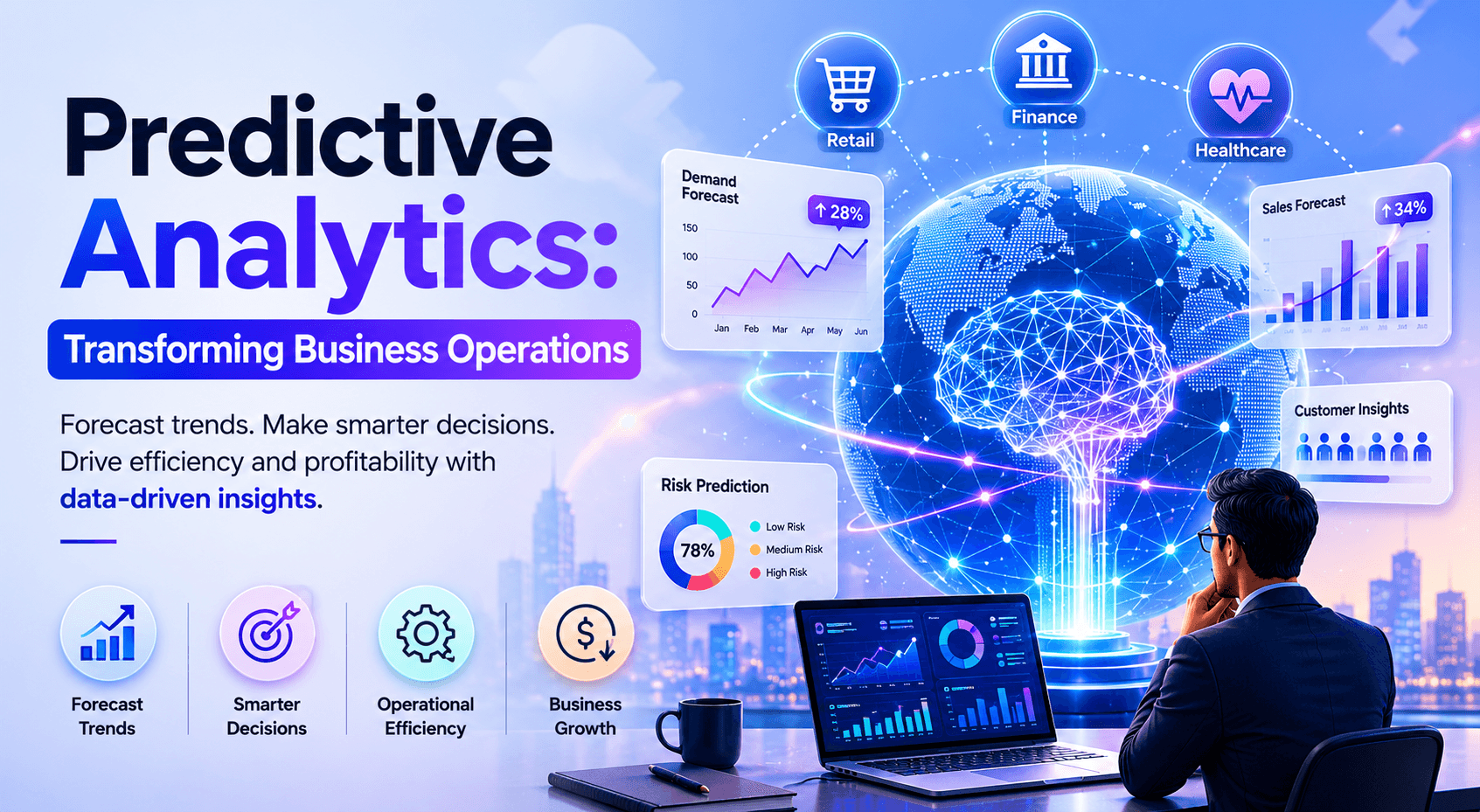
In today's data-driven landscape, predictive analytics has emerged as a powerful tool for organizations seeking to enhance decision-making, improve operational efficiency, and drive profitability. By leveraging historical data, statistical algorithms, and machine learning techniques, businesses can forecast future trends and behaviors with remarkable accuracy. This article explores the practical applications of predictive analytics in various industries, showcasing real-world examples and the tangible business value they generate.
Understanding Predictive Analytics
Predictive analytics involves analyzing historical and current data to predict future outcomes. Organizations utilize this approach not merely to anticipate potential scenarios but also to make informed strategic decisions. For example, by analyzing customer purchase histories, retailers can forecast inventory requirements, optimize supply chain management, and personalize marketing strategies, ultimately boosting revenues.
Real-World Applications
1. Retail Sector
In the retail industry, predictive analytics can significantly enhance customer experience and operational efficiency. Advanced algorithms scan customer data to identify purchasing patterns and forecast demand. For instance, a major retail chain implemented predictive analytics to optimize its inventory levels and reduce out-of-stock incidents by 30%. This not only improved customer satisfaction but also reduced excess inventory costs by 20%. The insights derived from data allowed for tailored marketing, driving a 15% increase in sales from targeted promotions.
2. Financial Services
The financial industry has found predictive analytics invaluable in risk assessment and fraud detection. By analyzing transaction data, banks can identify unusual patterns that may indicate fraudulent activity. For example, a leading financial institution reduced fraud losses by 40% within six months of implementing a predictive analytics solution. Furthermore, predictive models help in evaluating credit risk, allowing lenders to refine their underwriting processes and improve loan approval rates by 25% while reducing default rates.
3. Healthcare
In healthcare, predictive analytics is revolutionizing patient care and operational efficiencies. Hospitals employ predictive models to foresee patient admissions and streamline staffing and resource allocation accordingly. A health system that used predictive analytics to identify peak admission times reported a 20% reduction in patient wait times and an increase in overall patient satisfaction by 30%. Additionally, predictive analytics aids in chronic disease management by anticipating patient deterioration, leading to proactive interventions that reduce hospital readmission rates by 18%.
Implementation Insights
While the benefits of predictive analytics are compelling, the successful implementation of these technologies requires careful planning and execution. Here are some key strategies for businesses:
1. Define Clear Objectives
Before embarking on a predictive analytics journey, organizations should establish clear objectives. Whether the goal is to enhance customer retention or optimize operational efficiency, defining these goals will guide data strategy and technology selection.
2. Data Quality and Accessibility
High-quality, relevant data is the backbone of effective predictive analytics. Companies must ensure that their data is accurate, complete, and accessible. Investing in data management solutions can help maintain data integrity and facilitate seamless integration across different systems.
3. Select the Right Tools
The market offers a wide range of predictive analytics tools. Organizations should choose solutions that align with their specific needs, capabilities, and budget. Ease of use, scalability, and support services are also critical factors to consider during tool selection.
4. Foster a Data-Driven Culture
To maximize the benefits of predictive analytics, companies must foster a culture that embraces data-driven decision-making. This involves training employees to understand and utilize analytics insights effectively, ensuring they are equipped to make informed decisions.
Conclusion
Predictive analytics is no longer a futuristic concept; it is a practical solution that is reshaping how businesses operate across various sectors. By effectively utilizing this technology, organizations can enhance customer engagement, optimize operations, and drive substantial business growth. Companies that embrace predictive analytics today are not only staying ahead of the competition but also positioning themselves for future success.