
Founder & CEO, Devot AI
A multi-domain Data Scientist and Software Engineer specializing in NLP, Large Language Models, and scalable AI systems. Aviral leads Devot AI with a focus on building production-ready solutions that solve complex business challenges.
The State of AI Adoption Across Industries
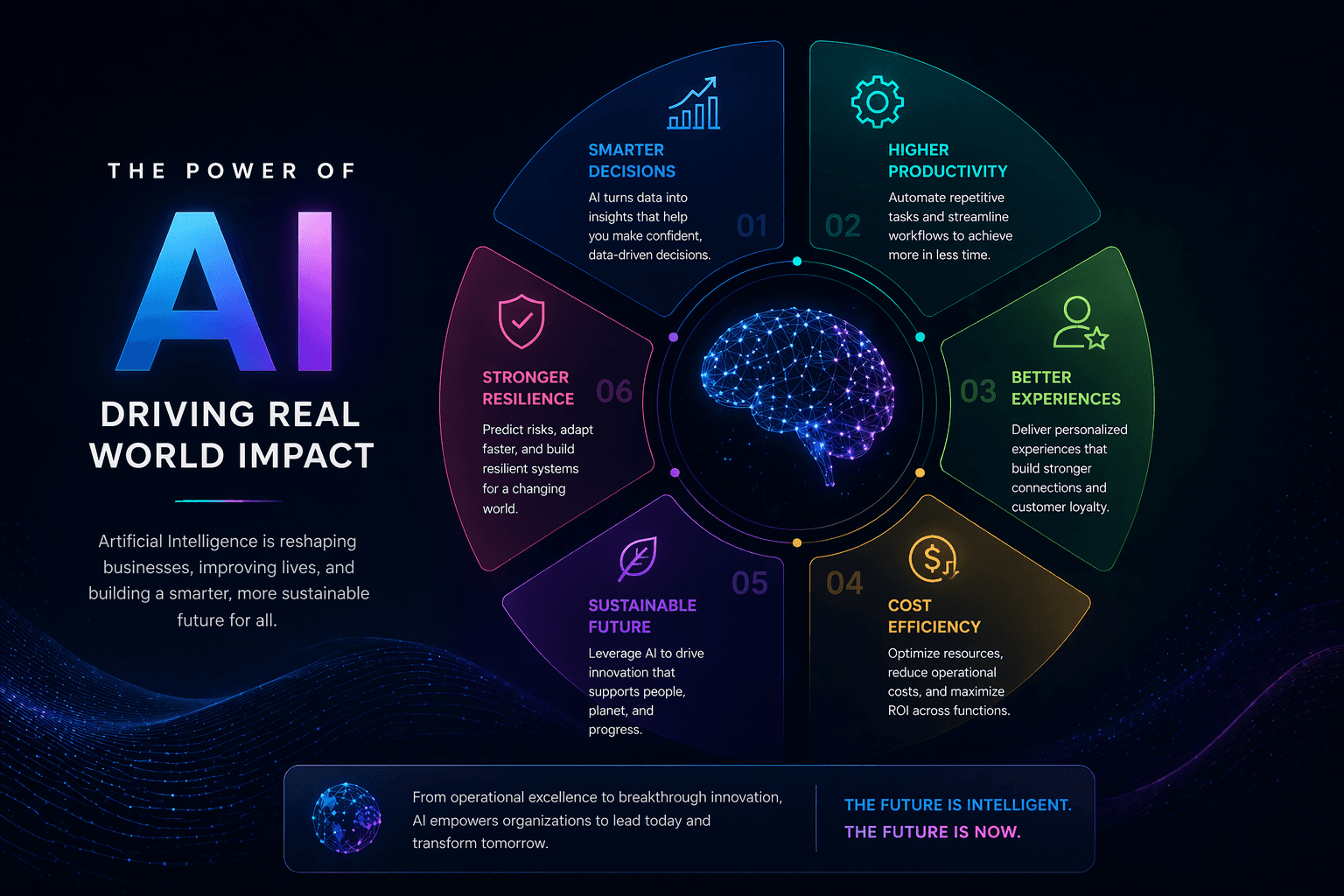
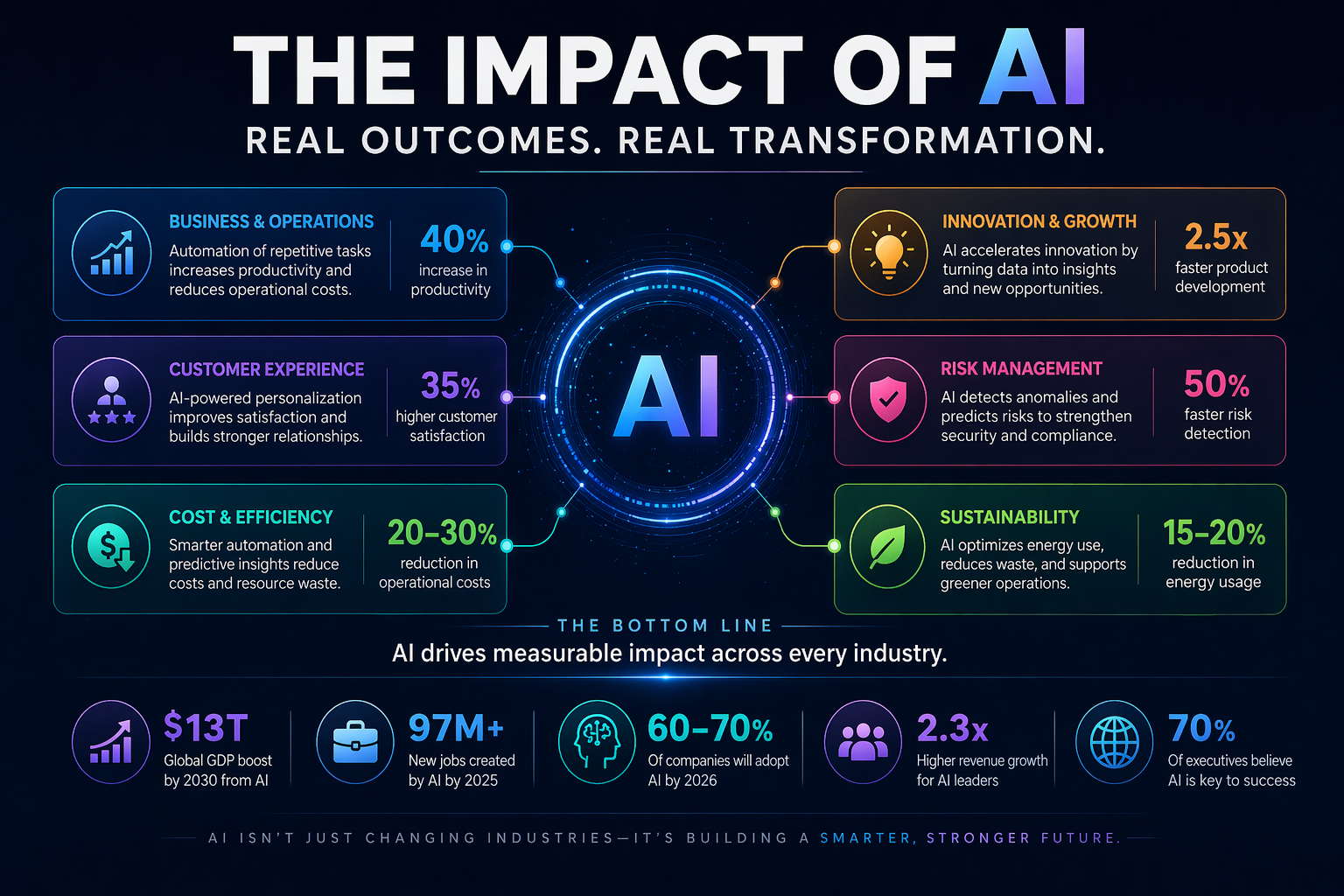
Artificial intelligence has moved from experimental pilots to production-grade deployments across every major industry. In 2026, AI is no longer a competitive advantage, it is a competitive necessity. Companies that have not begun integrating AI into their operations are falling behind in efficiency, customer experience, and decision-making speed.
The pace of adoption varies by sector. Technology-forward industries like finance and e-commerce lead the way with mature AI implementations. Healthcare and manufacturing are accelerating rapidly, driven by regulatory clarity and proven ROI. Traditional sectors like real estate and logistics are experiencing their first wave of meaningful AI transformation.
What unites these industries is a common pattern: AI delivers the most value when applied to specific, well-defined problems rather than deployed as a broad, unfocused initiative. The companies seeing the highest returns are those that match AI capabilities to their most pressing operational challenges.
AI in Healthcare
Healthcare is experiencing one of the most profound AI-driven transformations of any industry. The stakes are high, both in terms of potential impact on patient outcomes and the regulatory complexity involved.
Diagnostics and Medical Imaging: AI systems analyzing medical images, X-rays, MRIs, CT scans, pathology slides, now match or exceed radiologist accuracy for specific conditions. These tools do not replace physicians but serve as a second pair of eyes, catching findings that might be missed during high-volume reviews.
Drug Discovery: AI is compressing the drug discovery timeline from years to months. Machine learning models predict molecular interactions, identify promising drug candidates, and optimize clinical trial design. Several AI-discovered drugs are now in advanced clinical trials.
Personalized Treatment: AI analyzes patient genetics, medical history, lifestyle data, and treatment outcomes to recommend personalized treatment plans. Oncology has been an early adopter, with AI helping match patients to the most effective therapies based on their specific tumor profiles.
Administrative Automation: Scheduling, billing, insurance processing, and clinical documentation consume enormous amounts of healthcare workers' time. AI-powered automation of these administrative tasks lets clinicians spend more time on patient care.
Remote Patient Monitoring: AI algorithms analyze continuous data streams from wearable devices and home sensors, detecting early warning signs of deterioration and alerting care teams before emergencies occur.
AI in Finance and Banking
Financial services was among the first industries to adopt AI at scale, and it continues to push boundaries in 2026.
Fraud Detection: Machine learning models analyze transaction patterns in real time, flagging suspicious activity with far greater accuracy than rule-based systems. Modern fraud detection systems reduce false positives by 50 to 70 percent compared to traditional approaches, meaning fewer legitimate transactions are blocked.
Algorithmic Trading: AI-powered trading systems analyze market data, news sentiment, economic indicators, and alternative data sources to execute trades at speeds and scales impossible for human traders. These systems now account for the majority of trading volume on major exchanges.
Credit Scoring and Lending: AI models evaluate creditworthiness using a broader set of signals than traditional credit scores, enabling more accurate risk assessment and expanding access to credit for underserved populations. Banks using AI credit models report lower default rates and broader loan approval.
Personalized Banking: AI analyzes customer behavior, spending patterns, and life events to deliver personalized financial advice, product recommendations, and proactive alerts. This drives higher customer engagement and retention.
Compliance and Regulatory Reporting: AI automates the extraction, classification, and reporting of regulatory data, reducing compliance costs and the risk of human error in filings. Natural language processing reads and interprets new regulations, helping compliance teams understand and adapt to regulatory changes faster.
AI in Manufacturing
Manufacturing is undergoing its fourth industrial revolution, Industry 4.0, with AI at its core.
Predictive Maintenance: AI analyzes sensor data from equipment to predict failures before they occur. This approach reduces unplanned downtime by 30 to 50 percent and extends equipment lifespan by optimizing maintenance schedules based on actual condition rather than fixed intervals.
Quality Control: Computer vision systems inspect products on production lines at speeds and accuracy levels impossible for human inspectors. Defect detection rates improve by 40 to 60 percent while inspection time drops dramatically.
Supply Chain Optimization: AI forecasts demand, optimizes inventory levels, identifies supply risks, and recommends alternative suppliers when disruptions occur. Companies using AI-driven supply chain management report 15 to 25 percent reduction in inventory costs.
Digital Twins: AI-powered digital replicas of physical manufacturing systems allow engineers to simulate changes, optimize processes, and test scenarios without disrupting production. These virtual models continuously learn from real-world data to improve their accuracy.
Robotic Automation: AI-guided robots handle increasingly complex assembly, packaging, and material handling tasks. Unlike traditional industrial robots that follow fixed programs, AI-powered robots adapt to variations in real time.
AI in Retail and E-Commerce
Retail is being reshaped by AI at every touchpoint of the customer journey.
Personalized Recommendations: AI recommendation engines analyze browsing behavior, purchase history, and contextual signals to suggest products customers are most likely to buy. Leading retailers attribute 25 to 35 percent of revenue to AI-powered recommendations.
Dynamic Pricing: AI adjusts prices in real time based on demand, competition, inventory levels, and customer segments. This optimization improves margins by 5 to 15 percent while maintaining competitive positioning.
Inventory Optimization: AI predicts demand at the SKU level, optimizes reorder points, and reduces both overstock and stockout situations. Retailers implementing AI inventory management report 20 to 30 percent reduction in carrying costs.
Visual Search and AR: Customers can search for products using images rather than text, and augmented reality features let shoppers virtually try on clothes, place furniture in rooms, or test makeup shades before purchasing.
Conversational Commerce: AI chatbots guide customers through purchase decisions, answer product questions, process returns, and provide post-sale support. These systems handle 40 to 60 percent of customer interactions without human involvement.
AI in Real Estate
Real estate, traditionally a relationship-driven industry, is being transformed by AI-powered analytics and automation.
Property Valuation: AI models analyze comparable sales, neighborhood trends, economic indicators, and property features to generate accurate valuations. These automated valuation models (AVMs) reduce the time and cost of property appraisals while providing more consistent results.
Lead Scoring: AI identifies the most promising buyer and seller leads by analyzing online behavior, demographic data, and market signals. Agents using AI lead scoring report 2 to 3 times higher conversion rates from their prospect pools.
Market Analytics: Predictive models forecast market trends, identify emerging neighborhoods, and assess investment risk. Institutional investors use these tools to make data-driven acquisition and portfolio decisions.
Smart Building Management: AI optimizes energy usage, maintenance schedules, and space utilization in commercial properties. Building owners report 15 to 25 percent reductions in operating costs through AI-driven building management systems.
AI in Logistics and Supply Chain
Logistics companies are using AI to optimize every link in the supply chain.
Route Optimization: AI plans delivery routes considering traffic patterns, weather, delivery windows, vehicle capacity, and driver hours. This reduces fuel costs by 10 to 15 percent and improves on-time delivery rates.
Warehouse Automation: AI-guided robots handle picking, packing, and sorting in warehouses. Combined with AI-optimized warehouse layouts, this increases throughput by 30 to 50 percent while reducing labor requirements.
Demand Sensing: AI analyzes real-time signals, point-of-sale data, social media trends, weather forecasts, economic indicators, to predict demand shifts before they show up in traditional forecasting models.
Last-Mile Delivery: AI optimizes the most expensive part of the delivery chain through dynamic routing, delivery time prediction, and automated dispatch. Drone and autonomous vehicle delivery, guided by AI, is moving from pilot to production in select markets.
Risk Prediction: AI monitors global events, supplier health, weather patterns, and geopolitical developments to identify potential supply chain disruptions before they impact operations, giving companies time to activate contingency plans.
Cross-Industry Trends
Several AI trends are reshaping industries regardless of sector. The rise of multimodal AI, systems that process text, images, audio, and video together, enables richer applications across all industries. Edge AI, where models run on local devices rather than cloud servers, is enabling real-time AI in manufacturing, healthcare, and logistics where latency matters.
The convergence of AI with other technologies, IoT sensors, 5G connectivity, digital twins, and blockchain, is creating compound innovation that is greater than the sum of its parts. And the democratization of AI through low-code and no-code platforms is making these capabilities accessible to companies of all sizes, not just enterprises with dedicated data science teams.
The industries that move fastest to adopt AI will define the competitive landscape for the next decade. The technology is proven, the tools are accessible, and the question is no longer if, but how quickly your organization will act.