
Founder & CEO, Devot AI
A multi-domain Data Scientist and Software Engineer specializing in NLP, Large Language Models, and scalable AI systems. Aviral leads Devot AI with a focus on building production-ready solutions that solve complex business challenges.
Introduction
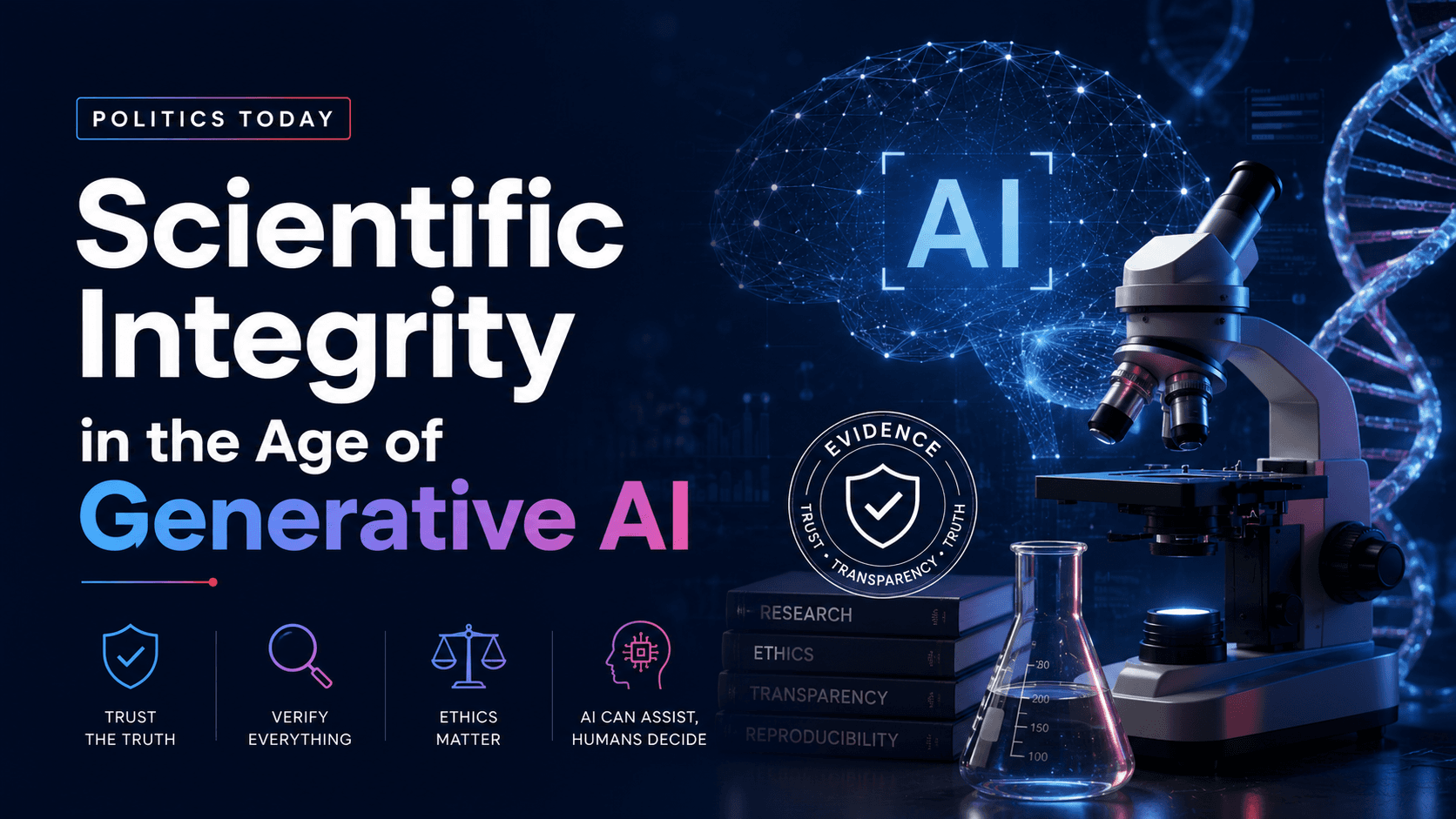
The emergence of generative AI technologies has introduced profound changes across various fields, especially within scientific research. These advanced tools not only create but also analyze data, crafting solutions that were once considered unattainable. However, as we embrace these innovations, the challenge of maintaining scientific integrity becomes increasingly crucial. This article delves into the nuances of scientific integrity in the age of generative AI, particularly in relation to enterprise contexts and how solutions like those from Devot.ai can address these concerns.
The Role of Generative AI in Scientific Research
Generative AI has revolutionized the way we approach scientific inquiries. From synthesizing complex datasets to formulating hypotheses, these technologies can enhance efficiency and creativity. For instance, machine learning algorithms can identify patterns hidden within vast amounts of data, significantly speeding up research processes.
Data Generation: Generative models can simulate realistic data which is essential in fields like pharmacology, where obtaining real-world data can be costly and time-consuming.
Automated Analysis: AI tools are capable of conducting thorough analyses consistently, helping researchers to derive insights quickly.
Enhanced Collaboration: With generative AI, teams across the globe can collaborate more effectively, breaking down traditional barriers of research.
While the advantages are clear, the implications for data authenticity and integrity cannot be overlooked. How do we ensure that the data produced and analyzed by AI remains reliable?
Challenges to Scientific Integrity
As generative AI systems become more prevalent, various challenges arise that threaten the integrity of scientific work. Some of these include:
Data Misrepresentation: Generative AI models can produce data that, while plausible, may not reflect reality accurately. Such inaccuracies can mislead researchers and influence crucial outcomes.
Over-reliance on AI: As researchers increasingly depend on AI-driven analyses, there may be a decrease in critical thinking and skepticism that traditionally upheld scientific inquiry.
Ethical Concerns: The use of generative AI raises ethical questions about data provenance and the original sources of information.
Addressing these challenges requires a robust framework that combines technological innovation with adherence to ethical research practices.
Ensuring Integrity Through AI Solutions
Devot.ai is at the forefront of providing solutions that help businesses navigate these complexities. By implementing advanced AI systems tailored specifically for enterprise needs, Devot.ai promotes transparency and accountability in data management. Here are several ways our solutions can assist in maintaining scientific integrity:
Data Verification: Our systems can be designed to validate the authenticity of AI-generated data, ensuring that the sources are credible and reliable.
Workflow Efficiency: We provide tools that streamline research processes while incorporating checks and balances, maintaining the integrity of scientific workflows.
Ethics Management: By integrating ethical guidelines into AI frameworks, companies can ensure their research practices align with established scientific standards.
The holistic approach offered by Devot.ai not only enhances productivity but also secures the underpinnings of scientific integrity.
Conclusion
The impact of generative AI on scientific research is profound, presenting both opportunities and challenges. As we move forward in this digital era, enterprises must prioritize the integration of trustworthy AI solutions that uphold the principles of scientific integrity. Devot.ai stands ready to assist organizations in navigating this landscape, ensuring that advancements in technology do not come at the expense of ethical research practices. By fostering a culture of integrity, we can unlock the full potential of generative AI in transforming the future of science.